A smartwatch can make a quiet night at a blackjack table look more energetic than it really was. After four or five hours, the display may show several hundred calories burned, periods of elevated heart rate and more movement than someone remembers making. The numbers are not invented, but they are easy to misread.
The 2024 Adult Compendium of Physical Activities places both seated card playing and standing casino gambling at about 1.5 METs. That puts both activities at the low end of the energy-expenditure scale, regardless of whether a player is sitting or standing.
So the interesting question is not whether blackjack uses energy. Everything the body does uses energy. The harder question is how much of the watch’s total can reasonably be attributed to sitting at the table.
What Four Hours of Blackjack Actually Adds
METs provide a rough way to estimate the answer. One MET is approximately the energy required to sit quietly. Multiply the activity’s MET value by body weight in kilograms and time in hours, and you get a broad estimate of total energy expenditure. For a 70 kg adult, four hours of seated blackjack at 1.5 METs comes to about 420 calories.
That figure sounds more impressive than it is. Four hours of quiet sitting at roughly 1.0 MET would already account for about 280 calories. The estimated difference linked to card play, reaching, gesturing and other minor movement is closer to 140 calories. Put another way, the body did not suddenly burn 420 calories because cards were being dealt. Most of that energy would have been used during any similarly sedentary evening.
Why the Watch Can Overcomplicate the Picture
Consumer fitness trackers do not measure metabolism directly. Laboratory methods can estimate energy use from oxygen consumption and carbon-dioxide production; a wrist device works from proxies. Heart rate is one. Wrist movement is another. Age, sex, body size and proprietary algorithms are added to the calculation.
The same limitation applies to online play. Someone spending several hours at tooniebet casino, for example, may remain seated for most of the session while a wearable still records changes in pulse, wrist movement and occasional steps. Those signals contribute to the watch’s calorie estimate, but they do not show how much energy blackjack itself required.
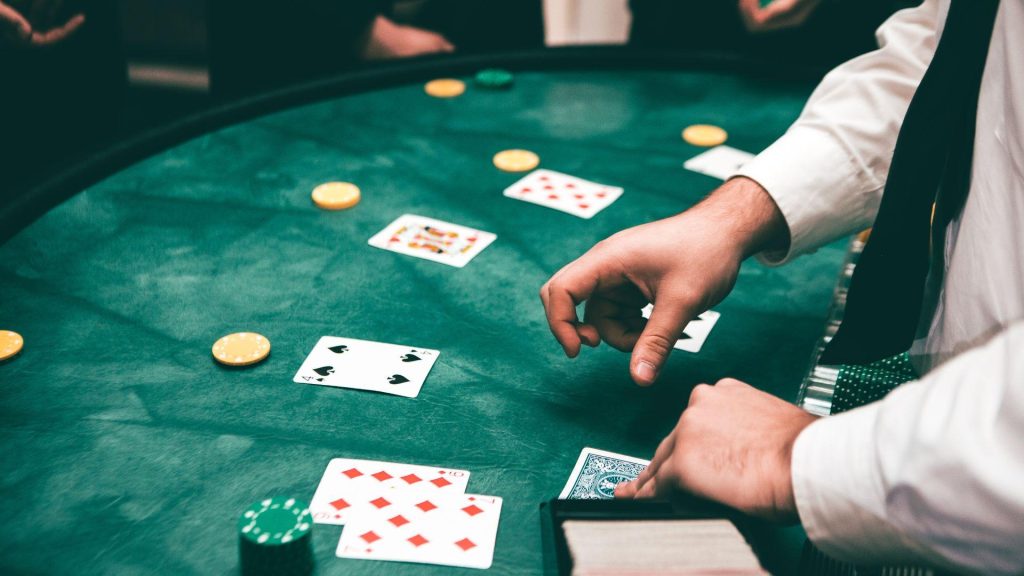
At a physical table, the data becomes even messier. A watch can pick up chip handling, reaching for a drink, checking a phone, walking between tables or moving through the venue. It may also react to a faster pulse during a tense hand.
What it cannot do reliably is separate all of those signals and assign each calorie to a specific behaviour. A walk to another part of the casino may be folded into the same time window as blackjack. A brief stress response may look more energetic than the physical movement actually warrants.
Research reviews have repeatedly found calorie expenditure to be one of the weaker metrics produced by consumer wearables. Reported errors vary by device, activity and study conditions, which makes a watch more suitable for tracking personal trends than for claiming an exact metabolic total.
A Fast Pulse Can Come From the Cards, Not the Muscles
Blackjack adds another complication because emotional arousal can be high even when movement is low. A large wager, a close hand, a run of losses, noise, caffeine, alcohol or late-night fatigue can push heart rate upward. A fitness tracker may interpret some of that rise as increased energy expenditure.
Physiologically, that is very different from sustained exercise. Seated card play and standing casino gambling both sit around 1.5 METs. By comparison, moderate exercise involves continuous muscular work at a substantially higher intensity.
A spike in pulse may tell you that the moment was stressful or exciting. It does not tell you that the body was doing the equivalent of a workout.
Why Standing at the Table Doesn’t Change Much
It’s tempting to assume standing at a table burns meaningfully more energy than sitting, but the Compendium lists both at the same 1.5 METs. Whatever a fitness tracker records as “extra” during a standing session more likely comes from small movements, a faster pulse or a walk to the bar, not the act of standing itself.
The health issue is simpler: several uninterrupted hours at a table, standing or seated, still mean a long period with limited movement. WHO guidance recommends reducing sedentary time and accumulating 150–300 minutes of moderate aerobic activity each week, or 75–150 minutes of vigorous activity, alongside muscle-strengthening work. A blackjack session, however it’s played, does not meaningfully contribute to those targets.
Read the Tracker as a Log, Not a Scorecard
A wearable can still be useful. It can remind someone to stand, stretch or walk for a few minutes instead of remaining seated for an entire session.
That data should stay separate from gambling decisions. Adults who choose to play should set spending and time limits before starting, take breaks and avoid using calorie estimates as a reason to stay longer or continue after losses.
The watch may record several hundred calories over the course of the night. What it cannot tell you precisely is how many of them belonged to blackjack.